17 July 2026
Get Your Home Winter Ready!
Tips on Home Energy Upgrades
With the summer in full swing and everyone soaking up the sunshine, thoughts of winter are the last thing on most people’s minds. But preparing now for the colder days ahead is the smart thing to do, especially when it comes to home improvements!
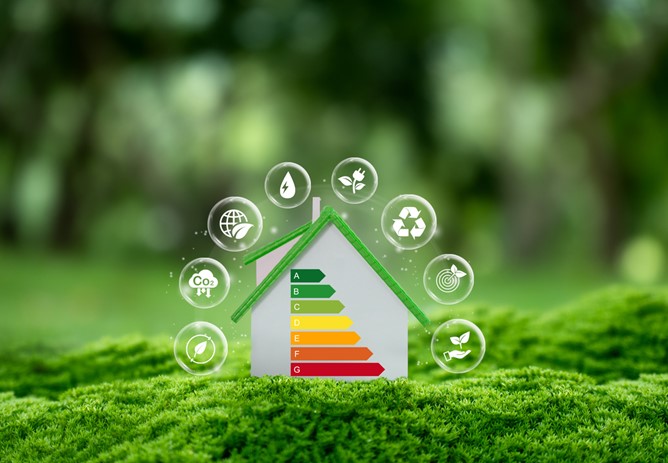
Investing in a home energy upgrade now can make things more comfortable this winter as well as lowering your monthly bills. And an energy upgrade can boost the BER (Building Energy Rating) of your home which adds value to your property.
We’ve outlined below some of the most popular types of home energy upgrades which can be done in small steps over time.
Types of Home Energy Upgrades to Consider include:
Insulation: Properly insulating your home is one of the most cost-effective ways to prevent heat loss and keep your living space cosy.
Attic Insulation: Up to 30% of a home’s heat escapes through the roof. Attic and rafter insulation is one of the most cost-effective long-term fixes and you can see significant savings on heating bills.
When insulating an attic, make sure that proper ventilation is installed. This prevents moisture build up that could damage your roof structure.
SEAI offers a grant of up to €2,000 for attic insulation, making it even more affordable.
Wall Insulation: Once the attic is insulated, the next target for heat loss is the walls. Wall insulation helps lock in warmth, reduce draughts and keep indoor temperatures steady.
There are three types of wall insulations depending on your home type and budget. These are cavity wall insulation and external or internal wall insulation.
- Cavity Wall Insulation is where your home has two rows of brick or concrete block, with a cavity or space between them. Insulating cavity walls is a very cost-effective way to reduce heat loss and is the cheapest type of wall insulation.
- External Wall Insulation: If your home has solid blocks or concrete walls with no cavity, external wall insulation may be the best option. This is where a layer of rigid insulation is fixed to the walls around your home and is covered in a render to provide weather resistance. It is the most expensive type of wall insulation.
- Internal Wall Insulation: This is sometimes called dry lining and involves fixing insulation boards to the inside of the external walls. It’s a much cheaper option that external wall insulation but you will lose a small amount of space in the rooms and it can be quite disruptive.
SEAI offers a grant of up to €8000 for wall insulation.
Floor Insulation: Insulating the floors can also contribute to reducing heat loss in a home. This involves placing a layer of insulating material beneath the floor to prevent heat from escaping.
Heat Pump Installation: A heat pump is an electrical device that sits outside your home that takes energy from the air, ground or water and turns it into hot water which then goes through the pipework in the home to give heat. A heat pump can also remove heat energy, like an air conditioner. They work best in a home that’s already well insulated.
Heat pumps use less than a third of the energy compared to a traditional fossil-fuel boiler and they often require very little change to your existing heating system, working well with underfloor heating and radiator systems.
SEAI has increased the grant for a heat pump system in 2026 from €6,500 up to a maximum grant of €12,500, depending on dwelling type. See SEAI’s website for details.
Energy-Efficient Windows: 10% of your home’s heat can be lost through your windows and doors.
The energy efficiency of a window is determined by its U-value. The lower the U- value the greater the thermal performance of the window. Windows can be single-glazed, double-glazed or triple-glazed.
- Single-glazed windows tend to be found in older houses and they lose the most heat as they have just a single pane of glass.
- Double-glazed windows consist of two panes of glass with a sealed space between them. They are very energy efficient and an affordable option.
- Triple-glazed windows: consist of three panes of glass with two sealed air gaps between the panes. They are the most energy efficient option, but also slightly more expensive.
Window frames also matter and can account for a significant proportion of the whole window area. Newer frames are designed to reduce heat loss through them.
Installing Heating Controls: Heating controls are the efficient way to heat your home and hot water. They can be mechanical, digital or app-based (the latter works with a digital controller). Heating controls match your working and living schedules for both heating and hot water to the way you use your home and can help reduce your energy bills by up to 20%.
A typical setup splits your home into two zones – space heating zones (radiators) and hot water zones (taps and hot water). It uses a programme timer, a room thermostat, a cylinder thermostat and radiator valves to control heat.
Next Steps
We understand that these home improvements are a significant investment. To support you in making your home more energy efficient this winter, we offer a competitive Green Loan. See the benefits below:
- Competitive Interest Rate: First Tech’s Green Loan comes with a competitive rate of just 9% APR*.
- Easy Repayment Options that fit your budget, making it easier to manage your finances.
- Fast Approval Process: Our quick application process means you can start planning your trip without delay.
- Loan Protection Insurance at no extra cost.
Get Started Today!
Let us help you to finance your home energy upgrade. Call us today on 01 642 7900.
*Lending Criteria Terms & Conditions Apply.
| *APR = Annual Percentage Rate. The Representative Example below is based on a typical APR. |
| Representative Example: A typical Green Loan of €30,000 over a term of 5 years with an interest rate of 5.9% APR. 60 monthly repayments of €577. The cost of credit would be €4,619 and the total amount repayable would be €34,619. |
| **Warning: If you do not meet the repayments on your loan, your account will go into arrears. This may affect your credit rating which may limit your ability to access credit in the future. |